Through the Block Lens: Why Shared Intent Is the Next Operating Layer
Opulent is building the system of shared intent for knowledge work: the operating layer that turns fragmented organizational context into lovable, always-on, massively parallel execution.
Systems of Record Created Shared Understanding. Systems of Intent Will Create Shared Motion.
For the last thirty years, the most valuable enterprise software systems have been systems of record. They created a shared understanding of the core objects a business runs on: the customer, the employee, the contract, the asset, the ticket, the case. That mattered because organizations need a common map. Large teams can only coordinate when they are working from the same definitions, states, and operating facts.
That model is still necessary, but it is no longer sufficient. In an agent-driven world, the scarce resource is not only human labor. It is the ability to define what needs to happen next, under what constraints, toward what outcome, and with what evidence. The question is shifting from “what is this object?” to “what should happen with this object now?”
The systems that win in the coming cycle will not just store the canonical customer, contract, candidate, or incident. They will create a shared understanding of the outcome the organization is pursuing, orchestrate people and agents around that outcome, and improve the execution loop over time. They will not just hold the map. They will help the company move through the territory.
So What’s Different Now?
AI matters now because agents can operate inside real environments, not just answer questions from a prompt box. They can retrieve context across systems, read unstructured material, use browsers and APIs, run code, manipulate files, produce artifacts, route approvals, and keep work moving after the first response. The shift is from software that helps one person think faster to software that expands how much a team can actually get done.
Once execution becomes programmable, the economics of work change. Human teams are no longer the only resource that can absorb recurring execution. The bottleneck shifts upward. Defining the objective, constraints, approval rules, success criteria, and escalation logic becomes more valuable than manually performing every step.
The best systems will stay on, observe the current state, propose or execute next actions, evaluate results, and improve over time. That is why the right architecture is not prompt in → answer out. It is context at the base, intent at the center, governed action on top, and learning wrapped around the whole loop.
What Opulent Actually Builds
At the bottom is the company world model: a live picture of the workflow as it actually exists inside the organization. That includes the systems involved, the documents that matter, the owners, the dependencies, the recent changes, the failure modes, and the operating signal that tells you whether the process is working.
World Model
Live picture of the workflow terrain — systems, documents, owners, dependencies, failure modes
Intent Layer
Specific outcomes with constraints, stop points, approval rules, and measures of success
Execution Layer
Multi-agent runtime — retrieve, spawn, route, create outputs, keep workflows moving
Learning Layer
What worked gets reused. What failed tightens the controls. Memory compounds.
Intent is not a vague goal. It is a specific outcome, with constraints, assumptions, stop points, approval rules, and measures of success that both humans and agents can act against. “Prepare the weekly CFO flash with variance explanations and route it for approval by Thursday.” That is dramatically more useful than another dashboard or another chat window.
From Single Agents to Superagents
Most people still imagine AI at the scale of one agent in one thread. That framing is already too small. The real opportunity is massively parallel agent systems across the organization. One human owner sets the intent. The system decomposes it, routes work to specialized agents, gathers outputs, runs checks, resolves conflicts, escalates where needed, and reassembles the result into one accountable outcome.
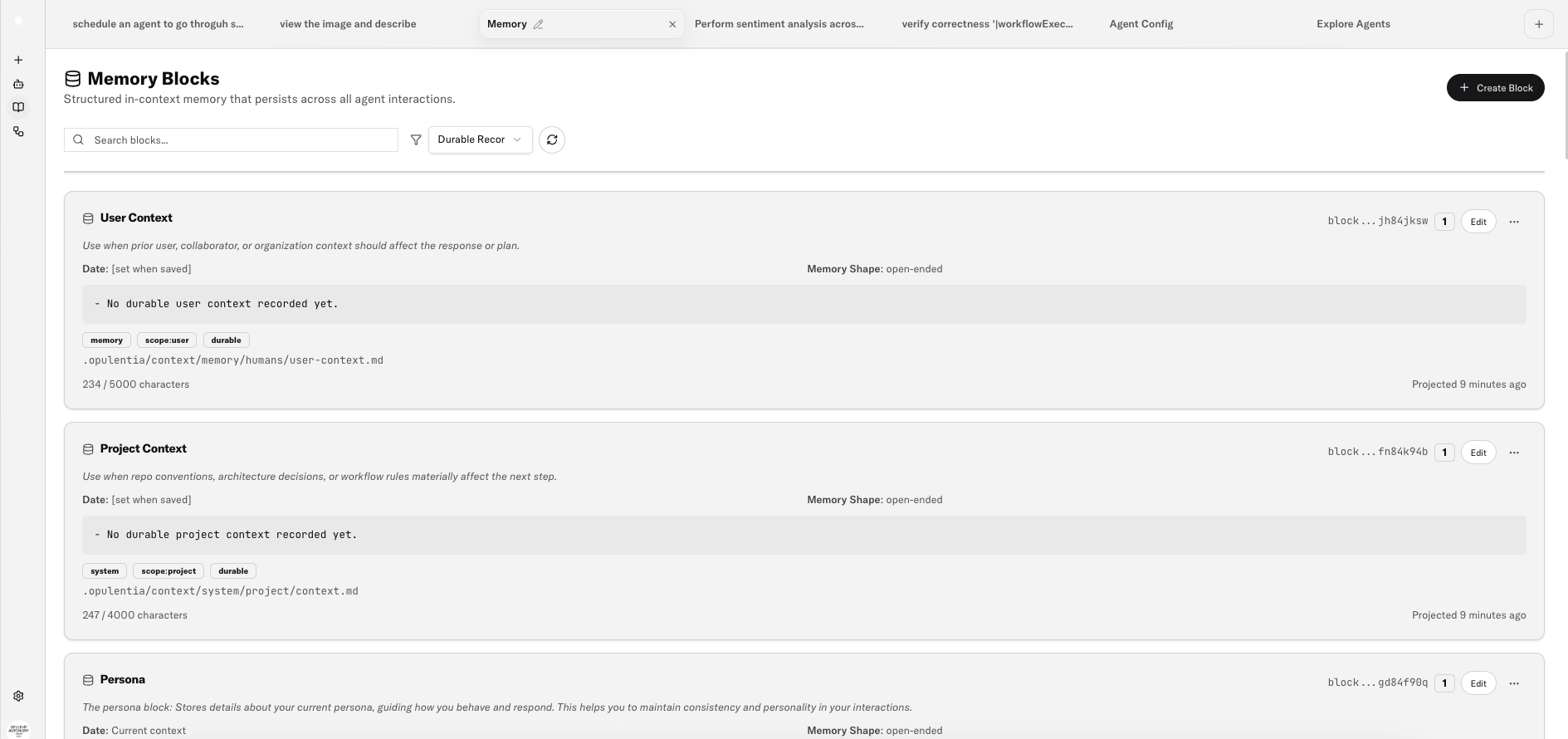
A superagent is not one omniscient model pretending to do everything. It is a control plane for coordinated intelligence. It knows when to launch a research agent, a browser-use agent, a coding agent, a data agent, a document agent, a verification agent, or a reviewer agent. It knows what each one is allowed to touch, how long it should run, what evidence it needs to return, and when a human should step in.
What This Looks Like in Practice
Software development is the clearest proof point because the territory is already digital and legible. Cognition and teams using Devin are showing what happens when the loop closes: daily end-to-end smoke tests, automatic production-error triage with regression tests, scheduled dependency upgrades, morning health digests, parallelized migrations, and multiple optimization strategies run in parallel against the same problem.
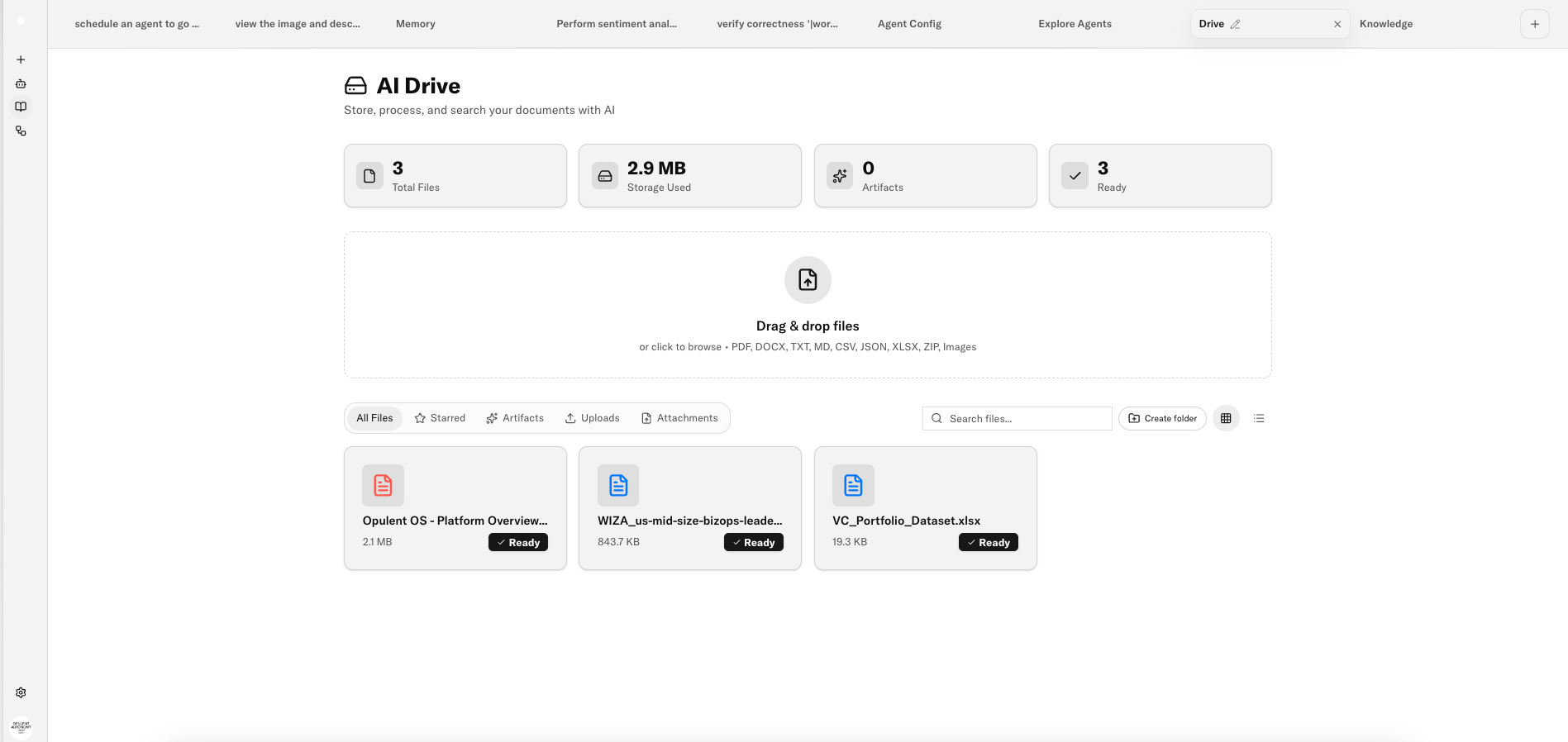
The signal is not that coding is special. The signal is that once the environment is legible enough, the system can define work, execute it, evaluate it, and keep improving without waiting for a human to manufacture every task by hand.
The same pattern extends beyond engineering. Finance can run weekly flashes, monthly operating packs, board pre-reads, spend exception reviews, and forecast variance analysis. Revenue teams can run account briefs, renewal-risk packets, QBR preparation, escalation research, and deal-desk routing. Legal and compliance can run contract review, diligence assembly, policy monitoring, and escalation playbooks.
The point is not that every company will deploy the same agent set. The point is that the structure repeats. There is fragmented context, a desired outcome, tools and systems to act through, approval points, failure costs, and measurable results. Once you can model that structure, you can operationalize it.
Why Opulent Can Consume Verticals
Most vertical AI products will create value. Many already do. But most of them will be bounded by one workflow family, one department, one data silo, or one interface surface. They can be excellent inside legal review, revenue research, finance analysis, customer support, software engineering, or voice interactions and still fail to become the organizing center of the business.
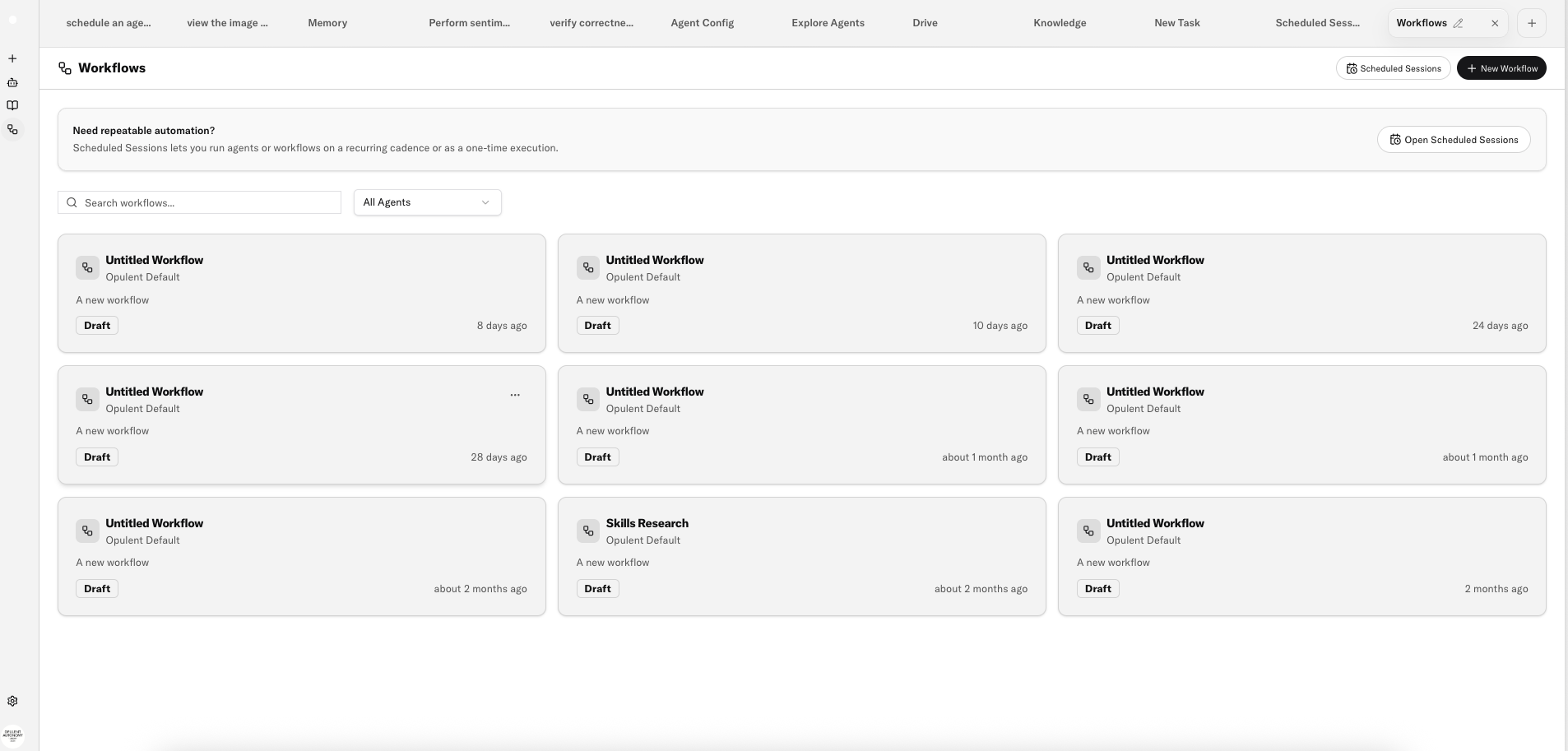
Opulent sits one layer above that. It does not need to out-specialize every vertical agent. It needs to own the shared intent, the cross-system context, the execution harness, the approvals, the evals, and the memory that compound across workflows. That is what it means to consume verticals. Not erase them, but absorb their value into a broader operating layer that owns the end-to-end outcome. Own the intent, own the workflow. Own the workflow, own the ecosystem. Own the ecosystem, own the gravity.
The Simulation Layer: Modeling Organizational Activity With Intent
If Opulent is going to become cognition for knowledge work, it cannot stop at live execution. It also needs a way to model, test, replay, and improve organizational activity itself. The long-run opportunity is to simulate not just tasks, but executable workflow environments: living settings with state, actions, transitions, tools, constraints, approvals, and verifiers.
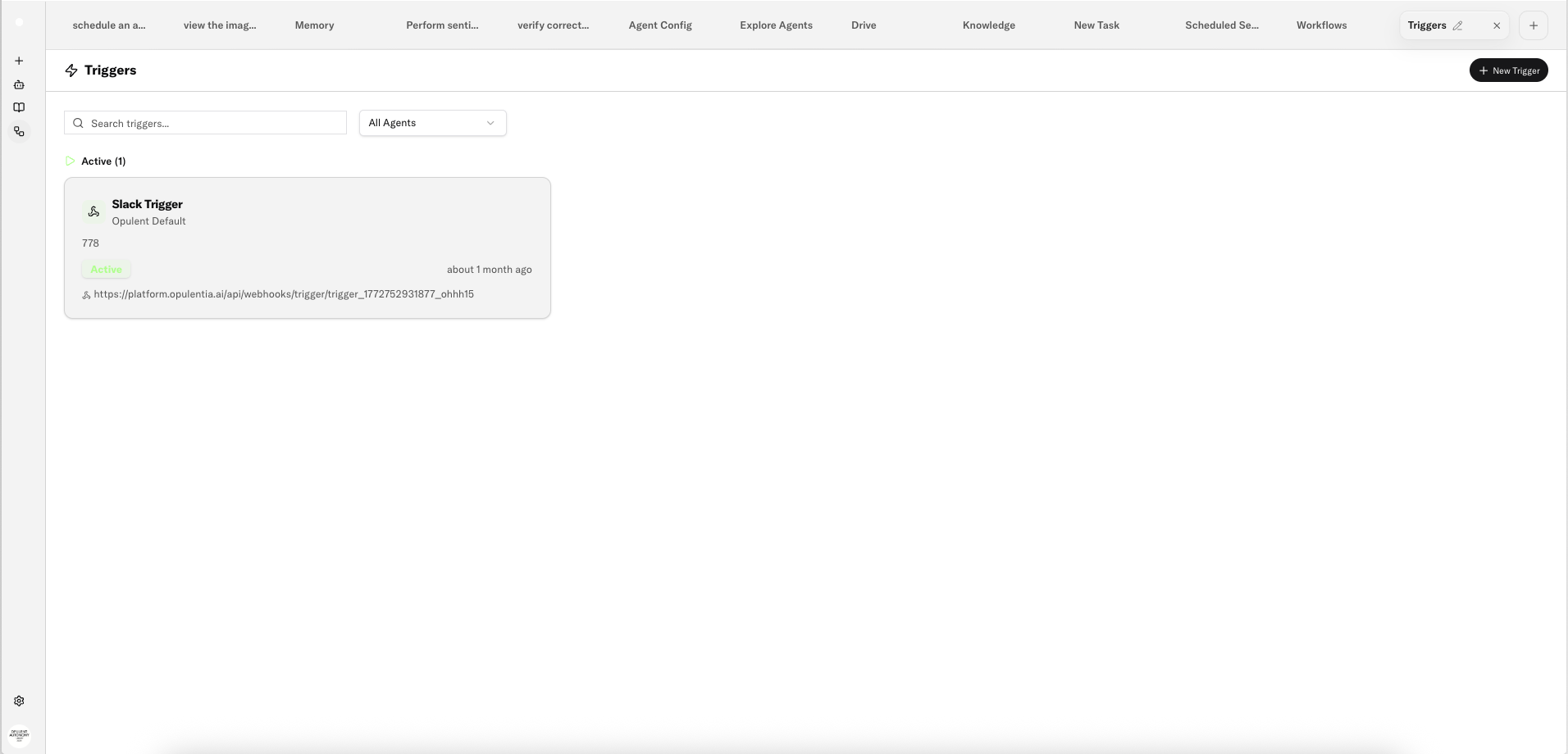
A weekly finance review, a contract-redline workflow, a procurement escalation, a renewal-risk packet, or a multi-step engineering migration should be testable and resumable. The atomic object is not the prompt. It is the workflow environment and its rollout lineage. Long-horizon runs are expensive. If the system fails halfway through a complex workflow, it should not have to restart from zero. It should restore the relevant state, replay the steps that matter, preserve the evidence trail, and resume under fresher policies.
Why This Must Be Lovable, Not Just Powerful
A system can be intelligent and still fail if people do not want to work with it. Useful means painkillers over vitamins. The system should remove real coordination pain, not accumulate clever demos. One workflow that saves a finance team hours every week is worth more than ten ambient features nobody depends on.
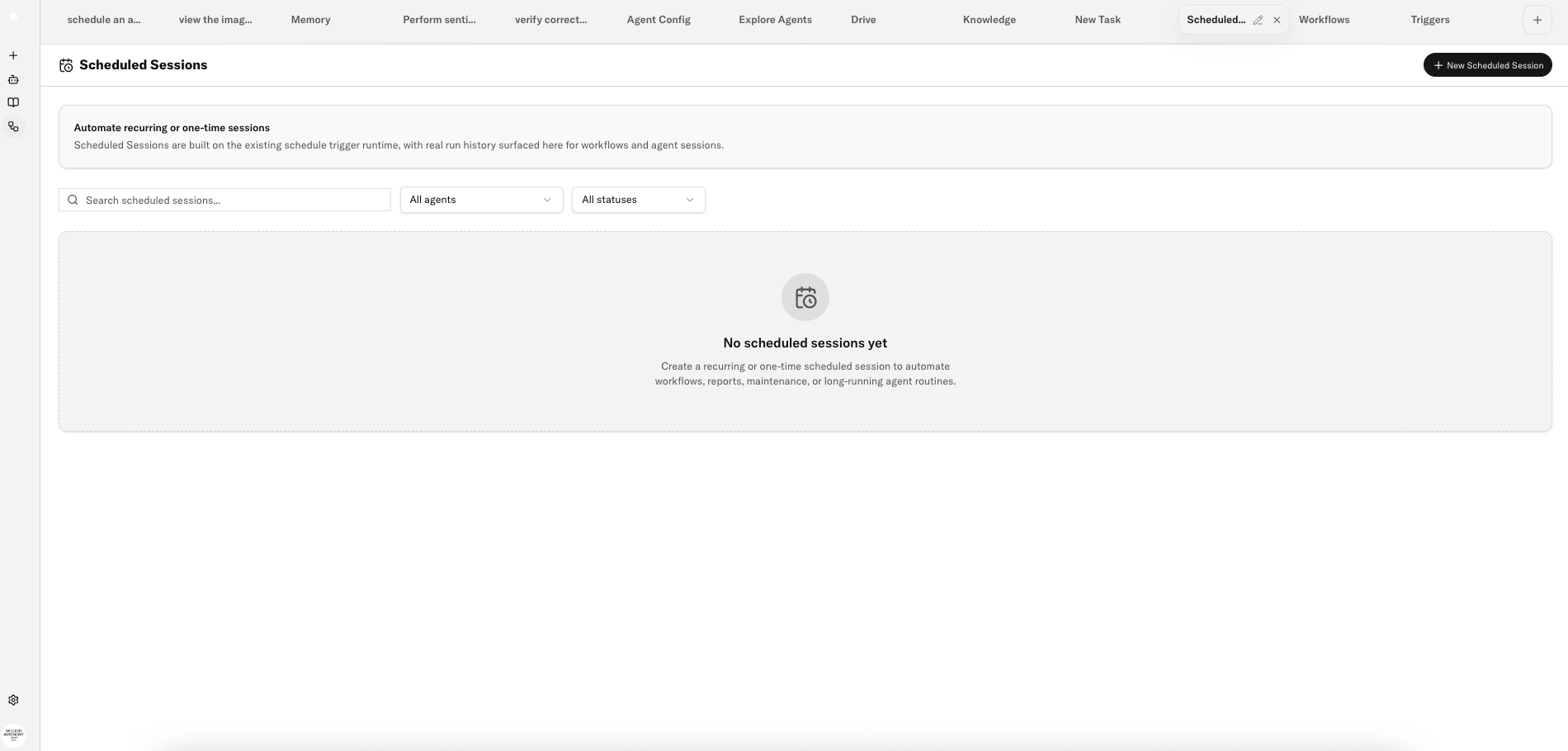
Usable means behaving like a great host. The system should reduce the distance between intention and relief. It should be obvious what the system understands, what it is doing, what it needs, what it changed, and what happens next. Latency, smoothness, progress indication, resumability, and approval clarity are not cosmetic details. A superagent that nobody likes using will not become infrastructure.
How Opulent Delivers This for Each Client
Opulent starts with one repeated, economically meaningful workflow. We identify the owner, the bottleneck, the proof object, the systems involved, the approval chain, and the failure cost of the current process. Then we connect the minimum viable system set and build a live world model around the workflow as it actually exists inside that company.
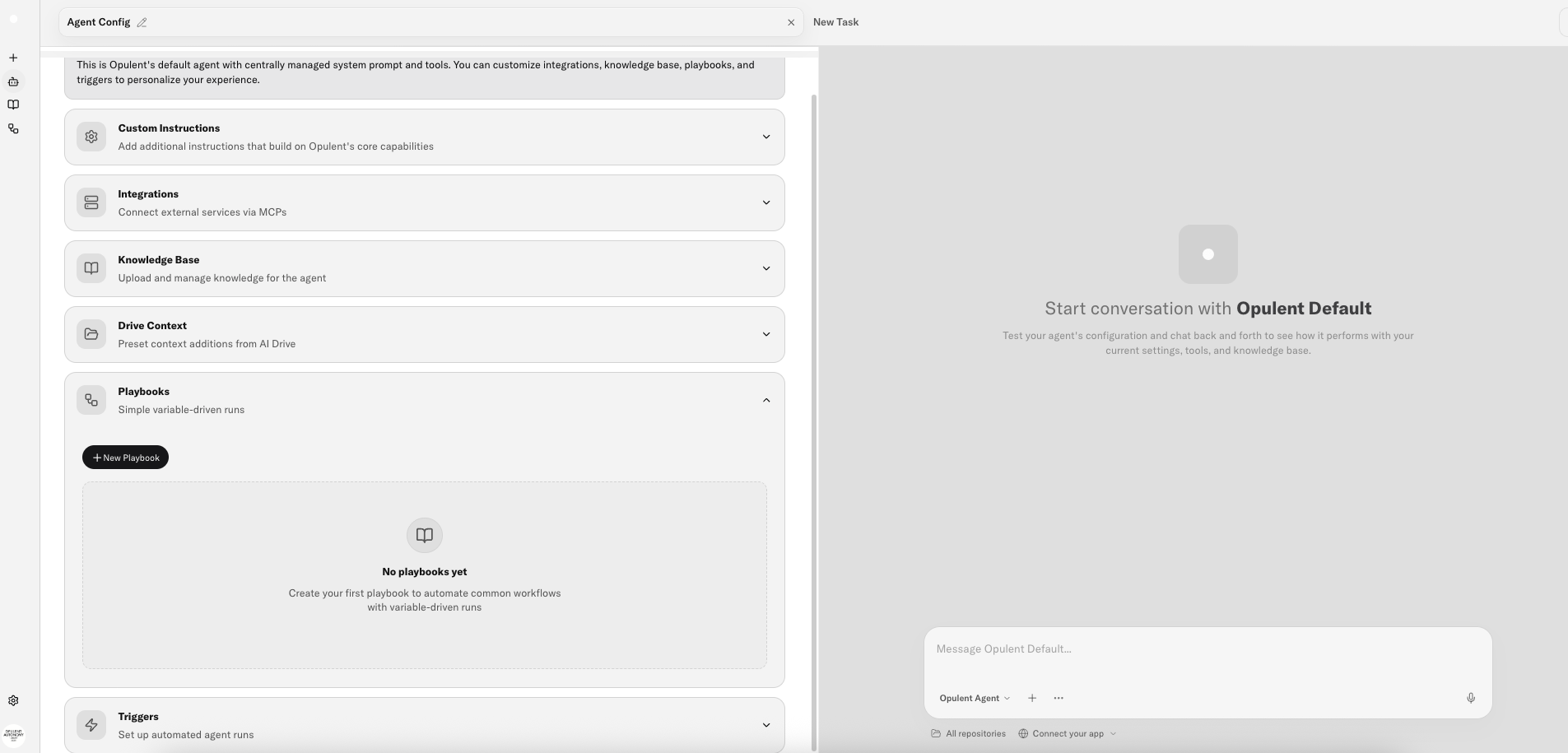
The loop is what makes the system valuable. Opulent is not an execution engine for one-off tasks. It is a governed system that observes the workflow, plans against the outcome, executes, evaluates what happened, and writes the learning back into the operating model. What works gets reused. What fails becomes a tighter control, a better playbook, a new environment variant, or a missing capability to add next.
That is how Opulent becomes cognition for knowledge work: always on, optimizing outcomes, and making the organization better systematically rather than episodically.
Direct Answers
Market Validation
The clearest proof point today is software development, because it is the domain where the territory is already digital and legible. Cognition, Devin, and adjacent coding-agent systems show that once a workflow has enough structure, tools, and verification hooks, the system can move from one-off assistance to always-on operational coverage.
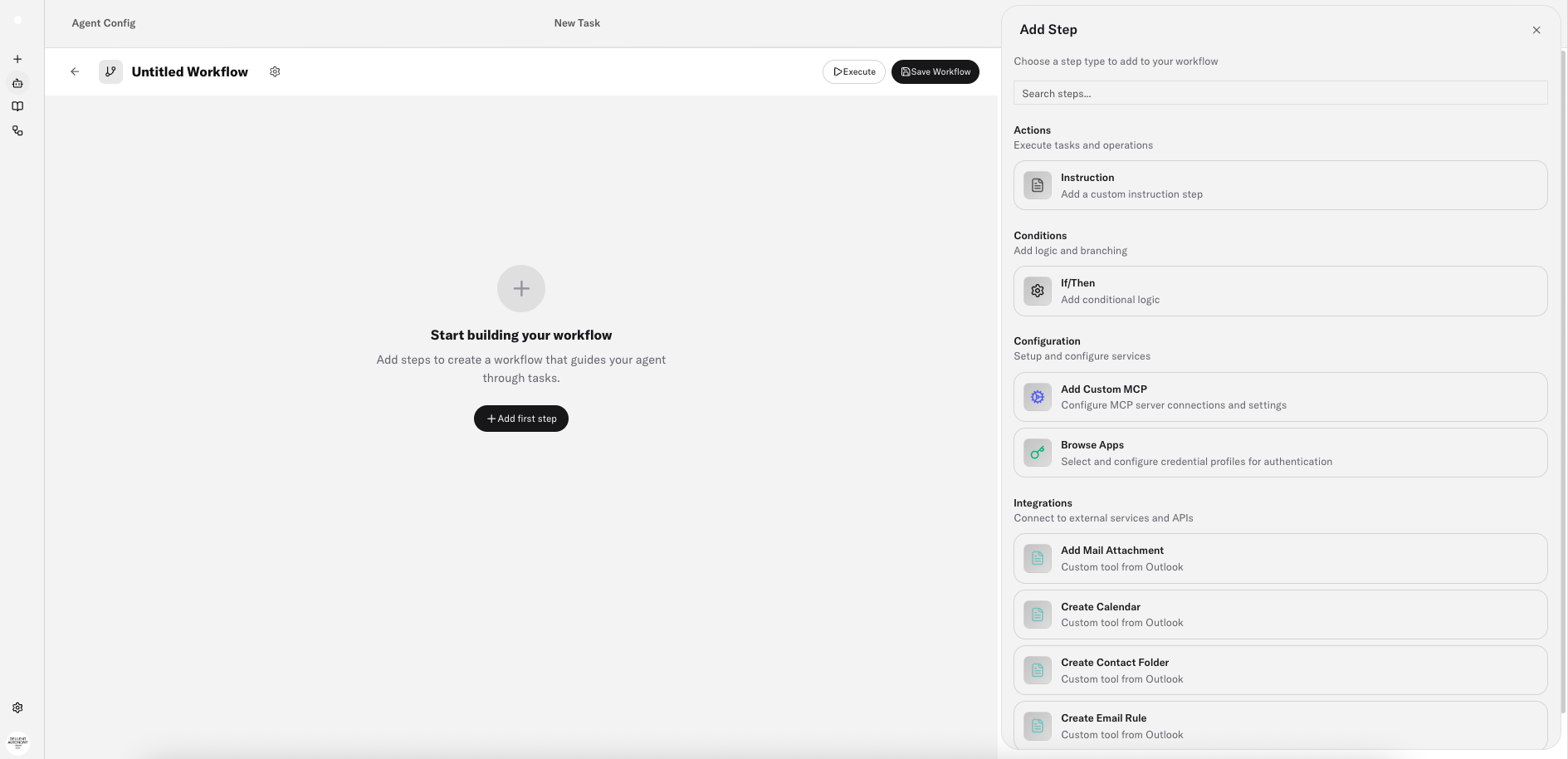
Opulent extends that pattern beyond engineering into the rest of the knowledge-work stack. Finance review packs, deal-desk workflows, contract operations, procurement routing, executive briefings, recruiting coordination, recurring reporting, and cross-functional follow-through already produce the same raw material: fragmented context, repeatable work, approvals, exceptions, and measurable outcomes. What most companies lack is the system of shared intent that turns that raw material into always-on execution.
As execution capacity becomes programmable, organizations do not stop needing people. They stop needing as many people whose main job is to relay context, chase updates, and keep work stitched together across disconnected systems. Teams become smaller relative to the amount of work they can supervise. Human time shifts upward into judgment, relationship management, exception handling, objective setting, control design, and feedback loops.
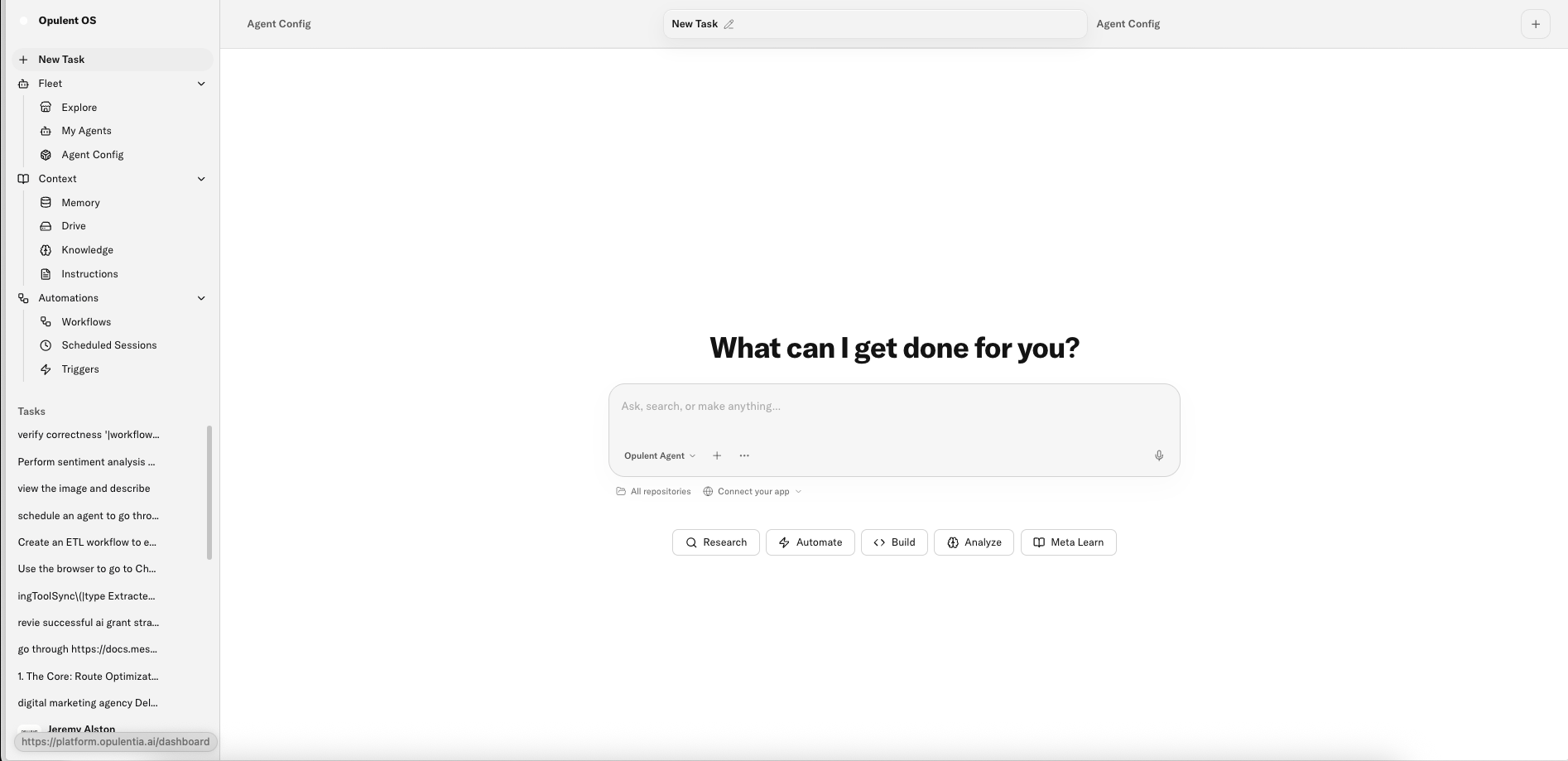
That is why this is ultimately a human-potential story, not just a cost story. The system absorbs the repetitive coordination work that burns attention but rarely creates strategic advantage. Opulent does not need a client to adopt the full vision on day one. It only needs to prove that one workflow can run with more capacity, better control, stronger learning, and a better user experience when shared intent, governed execution, and compounding memory sit at the center. From there, the system expands from proof.